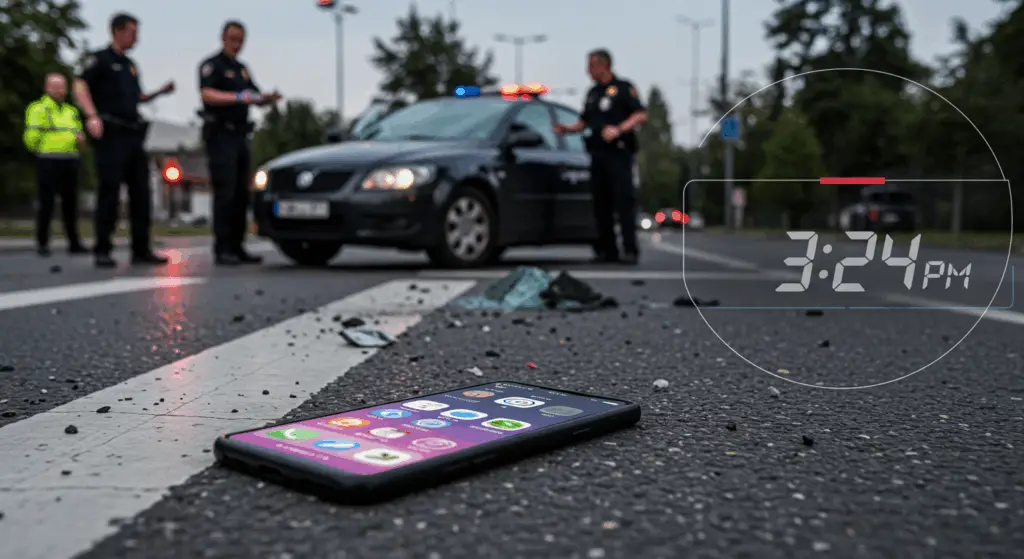

Every distracted driving case comes with a critical question: Was the driver using their phone at the time of the crash?
The problem? Many attorneys rely on surface-level records or self-reported statements. If this happens, they can miss crucial digital artifacts that could make or break the case.
Here are 3 things I see attorneys overlook far too often:
1️⃣ Not Digging Deeper Than Phone Bills
Phone records only show call and text activity. But what about:
– Social media scrolling?
– YouTube streaming?
– GPS usage or Waze rerouting?
– Background apps refreshing?
Artifacts from those actions live in the device itself, but not on the phone bill.
2️⃣ Missing Vehicle Infotainment & Telematics Data
Modern vehicles track everything:
– Bluetooth pairing (Was the phone connected?)
– Touchscreen inputs (Was something tapped at the moment of impact?)
– Call logs, text notifications, GPS paths
That evidence can help (or hurt) your case depending on how it’s preserved and interpreted.
3️⃣ Failing to Preserve the Phone Immediately
Every moment post crash risks overwriting or erasing critical data.
If the phone data isn’t acquired properly, you may lose:
– Active session logs
– App use timelines
– User interaction patterns
Early forensic preservation is key. Once data is gone, it’s gone.
If you’re handling a case involving a potential distracted driver (whether plaintiff or defense) don’t settle for partial truths. The phone and the vehicle can tell the full story… if you know where to look.
Let the digital evidence speak.